




Tourism Crises in Türkiye (2000–2026)
A Long-Term Perspective on Shocks, Recovery, and Structural Change
Over the past two decades, Türkiye has emerged as one of the world’s leading tourism destinations. However, this growth has not been linear. The sector has faced multiple crises—ranging from global economic shocks to regional instability and pandemics.
This article examines the key crisis periods between 2000 and 2026, focusing on moments where tourism demand either declined or showed significant vulnerability.
🌍 Early Warning Signs: 2003 and the Impact of Regional Instability
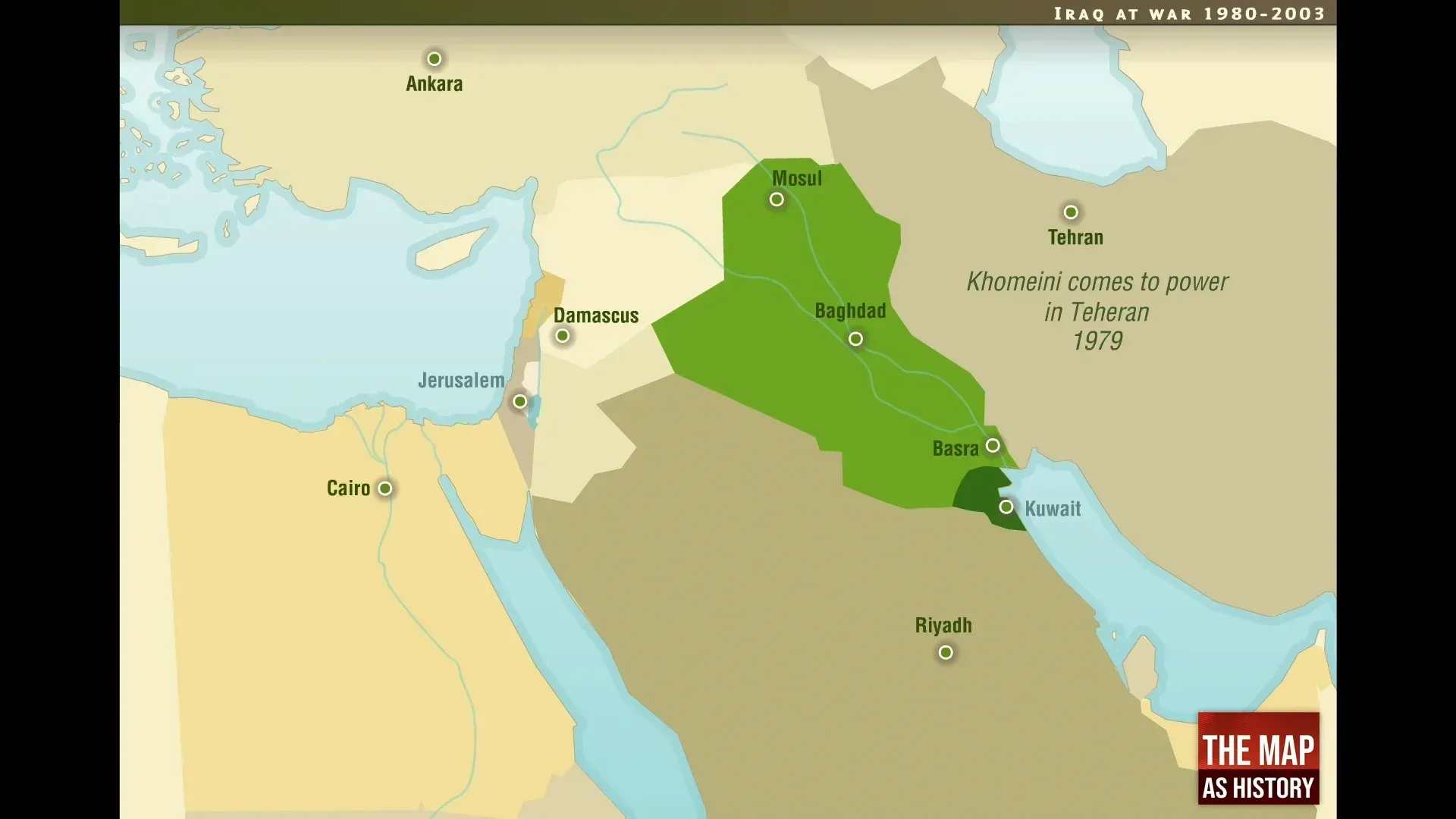
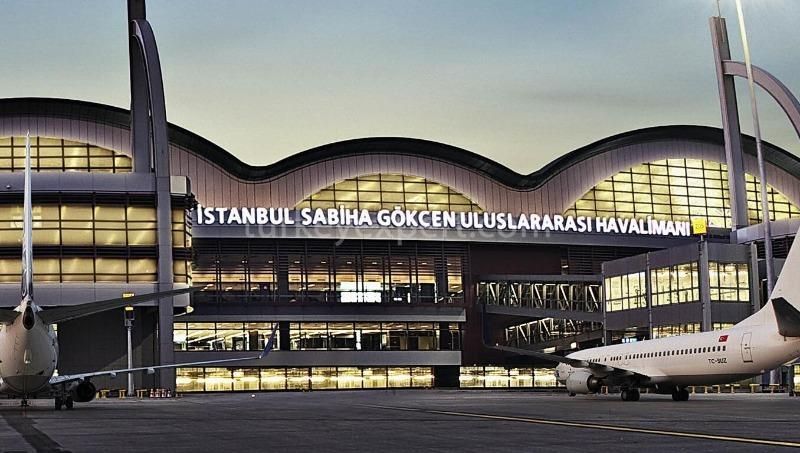
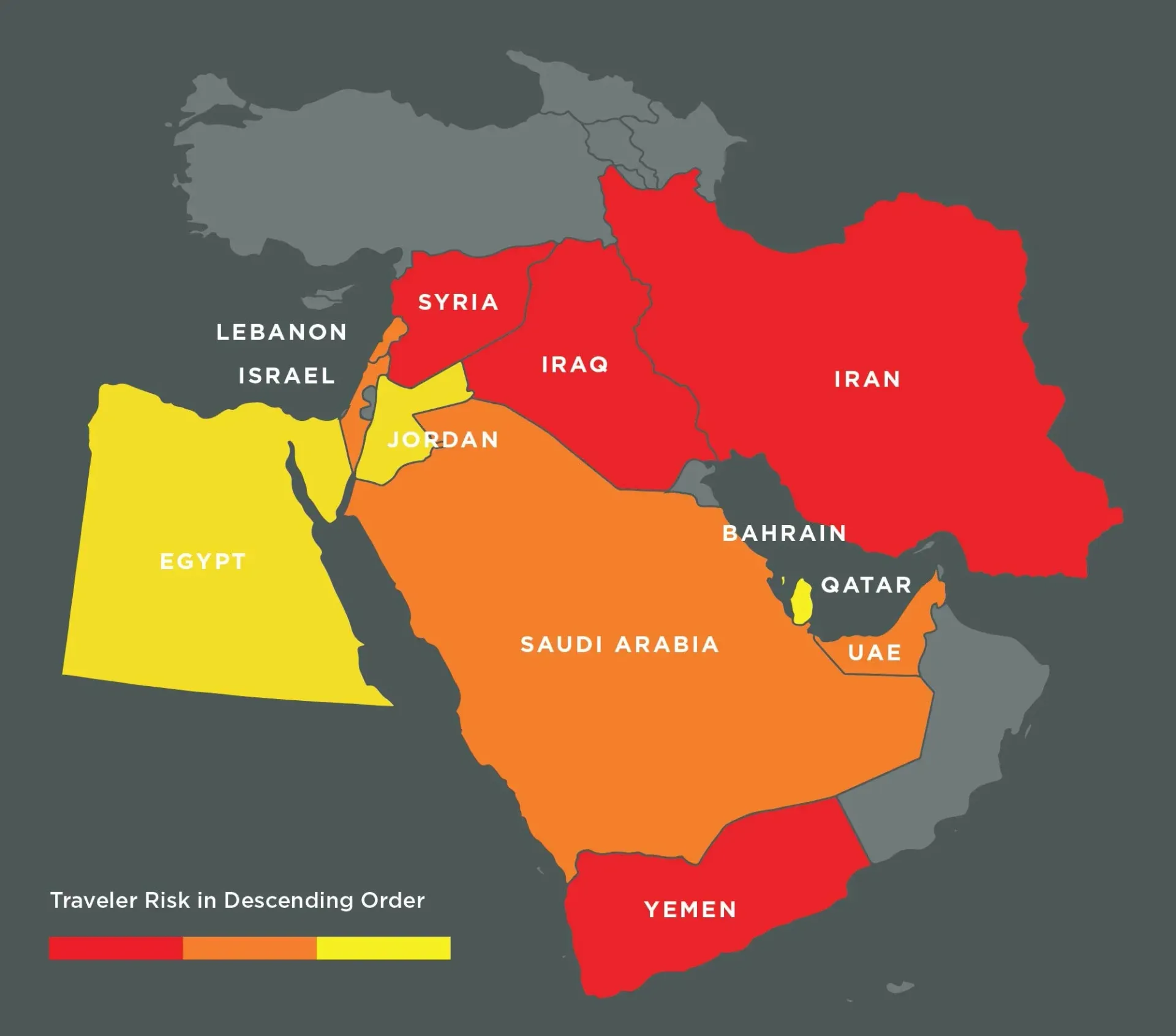
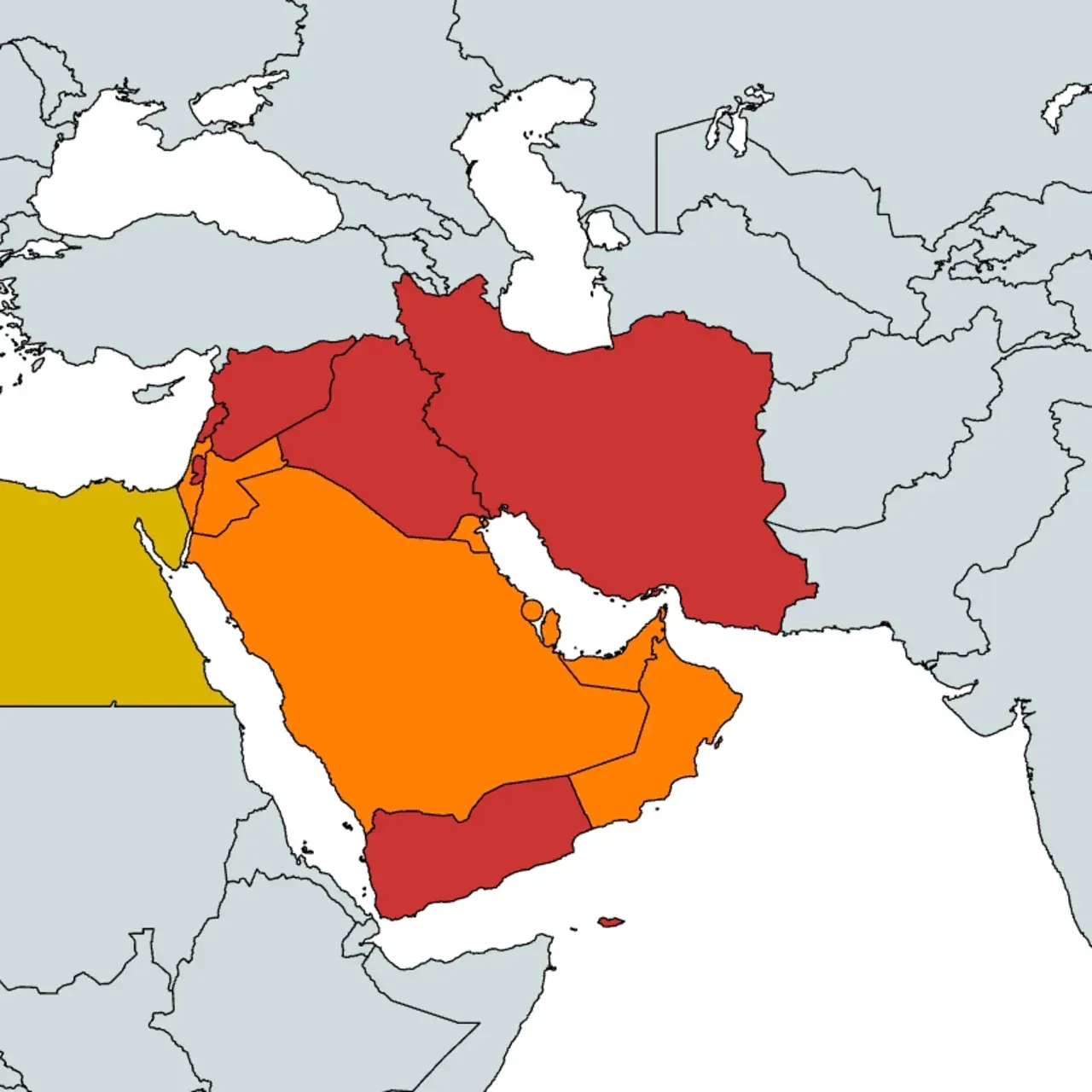
The year 2003 did not produce a numerical decline in tourist arrivals, yet it represents one of the earliest external shocks to Türkiye’s tourism perception.
The Iraq War reshaped how international travelers viewed the region. Although Türkiye remained operational and relatively stable, its proximity to conflict zones affected traveler confidence, particularly in European markets.
Rather than a collapse, the sector experienced a
slowdown in growth momentum, highlighting an important characteristic of Turkish tourism:
its sensitivity to perception, even in the absence of direct domestic crisis.
💰 The Global Financial Crisis: 2008–2009
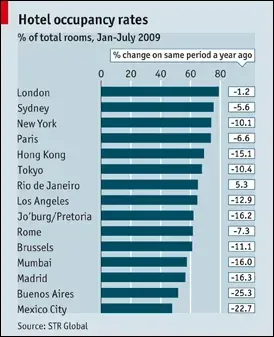
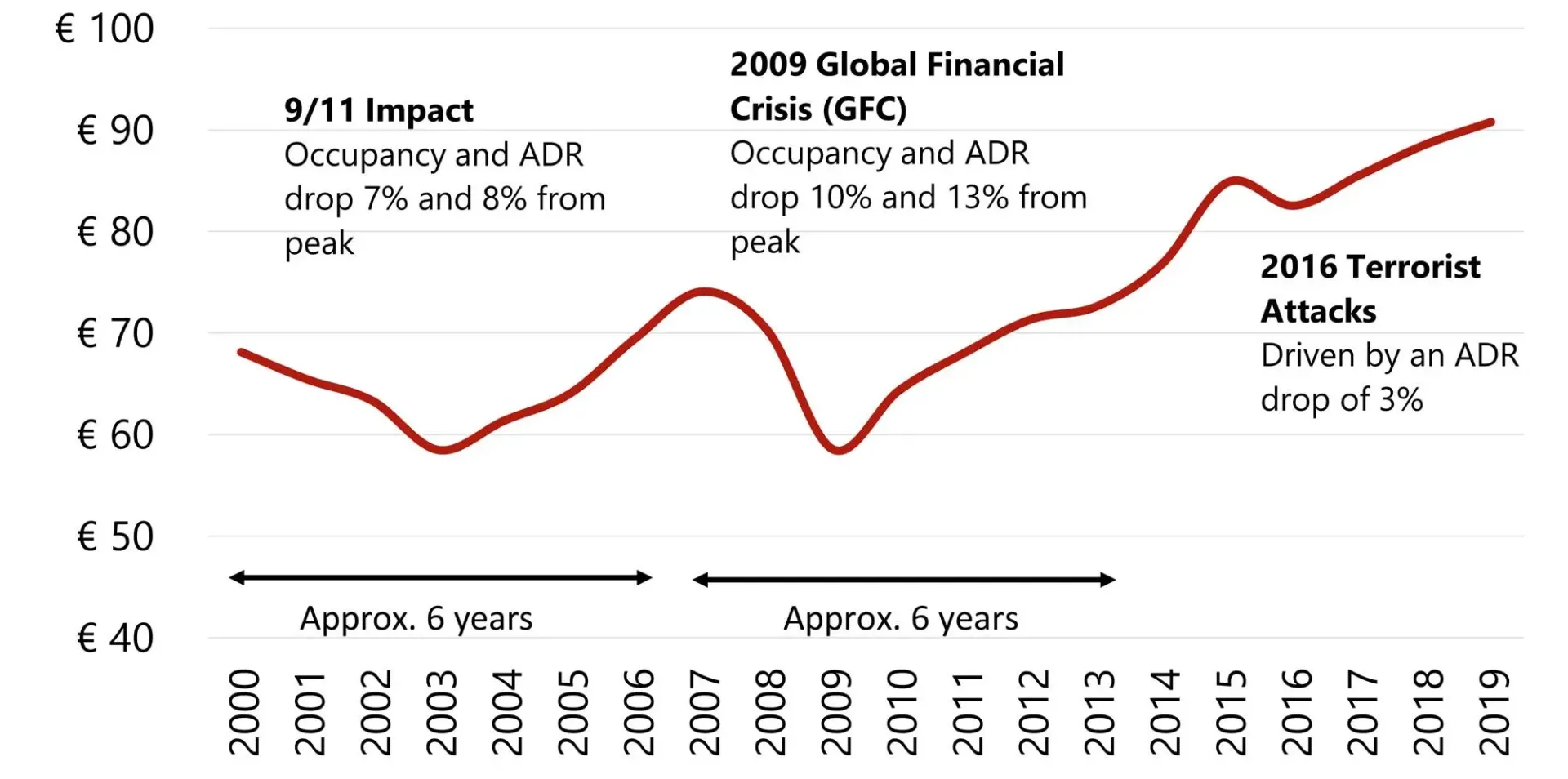
The global financial crisis marked the first major economic shock affecting tourism demand worldwide.
Interestingly, Türkiye did not experience a sharp drop in visitor numbers during this period. Instead, the effects were more subtle:
- Shorter stays
- Lower per capita spending
- Shift toward budget travel
- Slower growth compared to previous years
This period can be defined as a “soft tourism crisis”, where demand remained but value declined. It demonstrated Türkiye’s competitive advantage as a price-accessible destination, especially during global downturns.
🦠 2006: Health Concerns and Security Pressures
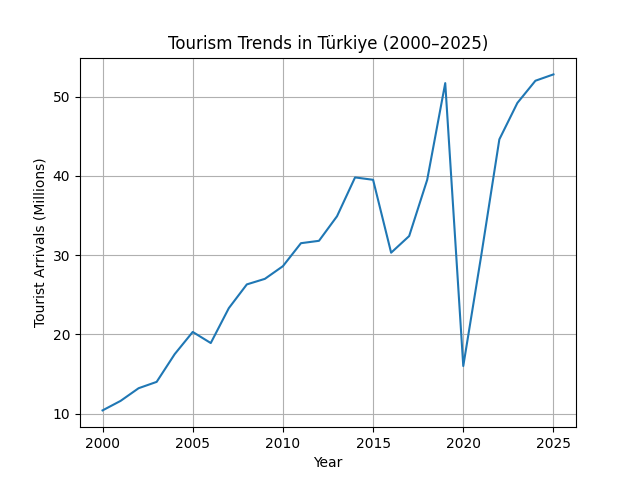
The first clear decline in tourist arrivals occurred in 2006.
The combination of the avian influenza (bird flu) outbreak and increased security concerns led to a measurable decrease in international demand. European travelers, in particular, reacted strongly to health-related risks.
This event marked a turning point, proving that health crises could directly and immediately impact tourism flows.
⚠️ 2015–2016: Political Instability and Security Crisis
The period between 2015 and 2016 represents one of the most severe crises in Türkiye’s tourism history.
In 2015, the sector began to show signs of weakness due to:
- Regional instability
- Declining Russian demand
- Rising security concerns
However, it was in 2016 that the situation escalated into a full-scale crisis. A combination of factors converged:
- Terror attacks in major cities
- The diplomatic crisis with Russia
- The July 15 coup attempt
The result was a dramatic drop in tourist arrivals, particularly from Europe and Russia. This period highlighted how multi-layered crises can amplify each other, leading to systemic shocks.
🦠 2020: The Pandemic and the Collapse of Global Mobility
The COVID-19 pandemic caused the most severe disruption in modern tourism history.
International travel came to a near standstill. Borders closed, flights were suspended, and uncertainty dominated consumer behavior.
For Türkiye, this resulted in an unprecedented contraction in tourist arrivals, reflecting a global systemic shutdown rather than a localized crisis.
Yet, what followed was equally remarkable:
Türkiye became one of the fastest-recovering destinations in the post-pandemic period.
📉 A New Type of Pressure: Price Competitiveness (2025)
Unlike previous crises, 2025 did not stem from security or global shocks.
Instead, the challenge was structural.
Rising costs in Türkiye—driven by inflation and currency dynamics—began to affect its position as a competitive destination. Travelers increasingly compared Türkiye with alternatives such as Spain and Greece.
Although total visitor numbers remained high, certain periods showed signs of declining demand, particularly in price-sensitive markets.
This marks a shift toward a new era where value perception becomes as critical as safety and accessibility.
🌍 2026: Uncertainty in a Geopolitical Landscape
As of 2026, Türkiye’s tourism sector operates in an environment of heightened geopolitical sensitivity.
Regional tensions influence travel decisions, even when Türkiye itself remains stable. Early indicators suggest fluctuations in demand rather than a clear downward trend.
This reflects a broader transformation in global tourism:
perception and risk awareness now spread faster than ever.
📊 Long-Term Perspective: Patterns of Crisis and Recovery
Over the long term, three key patterns emerge:
1. Resilience through recovery
Türkiye consistently rebounds after crises, often faster than competitors.
2. Sensitivity to external shocks
Global and regional developments strongly influence demand.
3. Transition toward structural challenges
Recent pressures are less about safety and more about pricing, positioning, and competition.
✍️ Final Reflection
The story of Turkish tourism is not simply one of growth, but of adaptation.
From geopolitical tensions to pandemics and economic shifts, each crisis has reshaped the industry’s structure and strategy.
As the sector moves forward, success will increasingly depend on how well it balances:
- Competitive pricing
- Brand perception
- Sustainable growth